
Thank you all for your patience and understanding through my illness in the past week. There are some affordances that come with the technologies that we critique, and I have been grateful for our ability to stay in touch via Zoom while not feeling my best.

Shout outs
To Sarah

Thanks to Sarah for taking us through her consideration of “AI-generated contradictions for environmental democracy” (2025). This was an important stop in our pathfinding serie. By starting with the carbon footprint calculator (i.e. how many earths do you use up? and does your human demand exceeds the planet’s biocapacity?) we are brought up against a measure of personal responsibility. But Sarah expanded upon this thoughtfully by helping us understand that AI is not a neutral tool, but actually a techno-political force that deepens existing contradictions in democratic systems. In her presentation she highlighted that AI intensifies this imbalance, often serving corporate and geopolitical interests rather than public ones. Can we aspire to “environmental democracy” which might treat access to basic life resources (like water, food, energy) as fundamental democratic rights? Is it possible to prioritizes sustainability over growth as the central political imperative? These are questions that are critical to our time. …Oh, and shout out to Footprint Alarmists!!
To Oliver
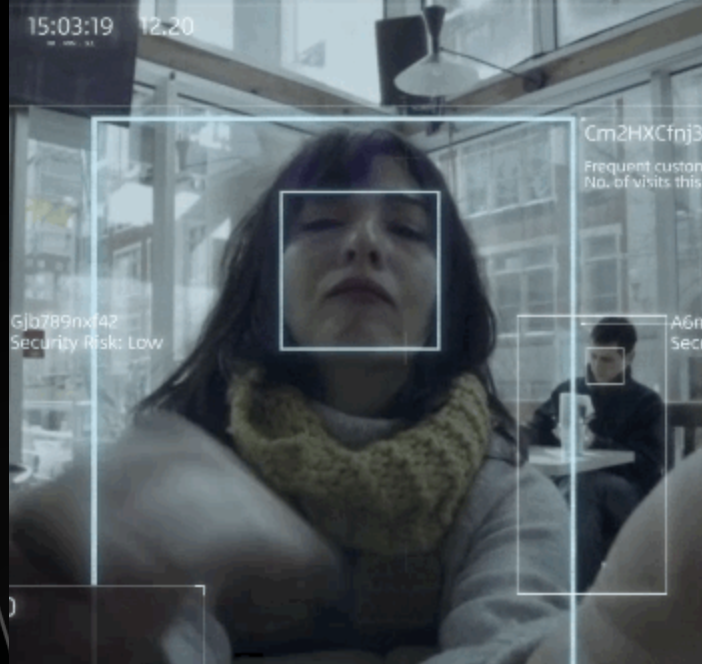
Shout out to Oliver for selecting and discussing the short film “Frames” which is a part of a series entitled “Screening Surveillance”. The short harrowing film follows a lonely woman moving through a “smart city”. Her actions are constantly tracked and analyzed. Her life seems to reflect adata-driven “story” about her behavior. But what does this data-based “version” of her miss about her personal truths. The dissonance between her data points vs. her emotional truths seem both poignant and worth considering. Data can create “representations” that misrepresent people. This tragic yet compelling little movie shows us that human complexity exceeds machine logic. What is watched and surveilled is not necessarily understood.
To Adamari
Shout out to Adamari for walking us through a new but important concept – post plagiarism – which is due to the dawn of pervasive AI in our educational landscape. In her article Postplagiarism: transdisciplinary ethics and integrity in the age of artificial intelligence and neurotechnology”, Sarah Eaton wants us to move beyond the impulse to simple detect cheating, Eaton argues that traditional ideas of plagiarism are becoming obsolete as human & AI collaboration becomes normal. Eaton claims that humans must remain accountable (“responsible”) for the work they produce, even when using AI. And she argues for a culture of attribution, and that we must aspire to an ethical practice of knowledge creation, rather than just policing misconduct.
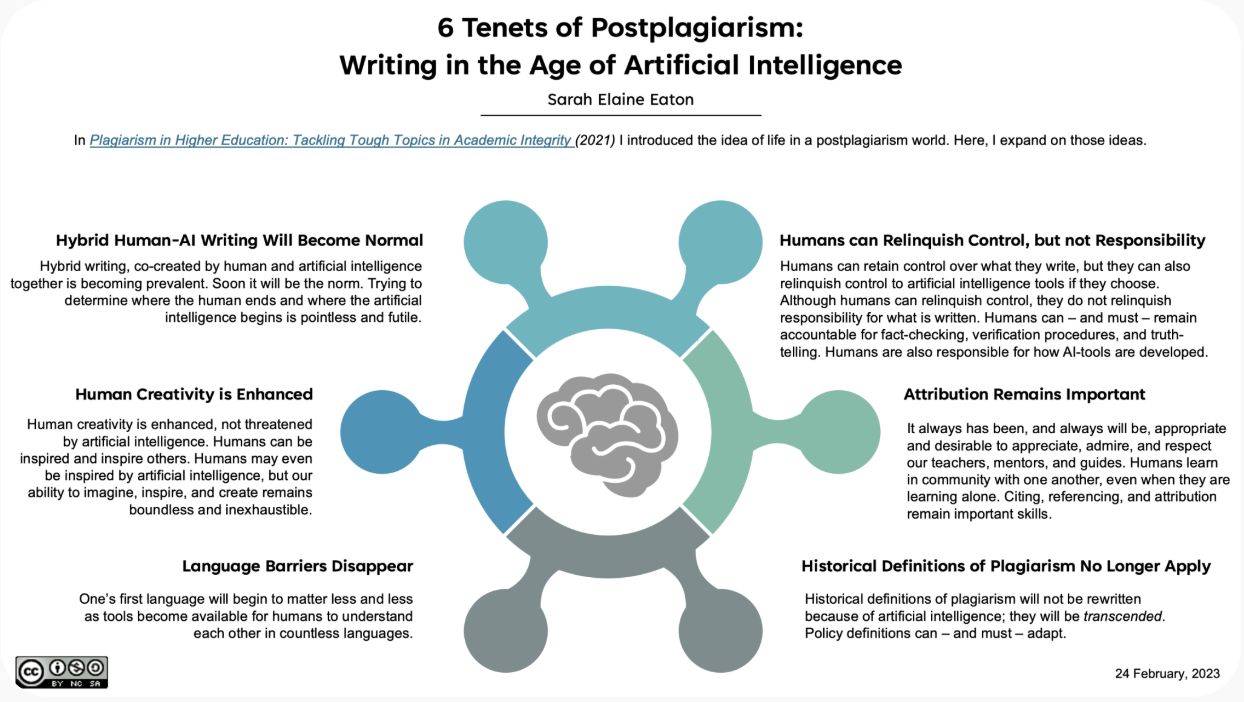
Just how to accomplish this is where the challenge comes in of course! 🤔😮💨 But I think there is an important contribution here in recognizing that whether we like it or not, we are forced now to move beyond “policing plagiarism”. Instead we must rethink integrity within a new context of ethical knowledge-making in human–machine environments. 🤯
To Keslande
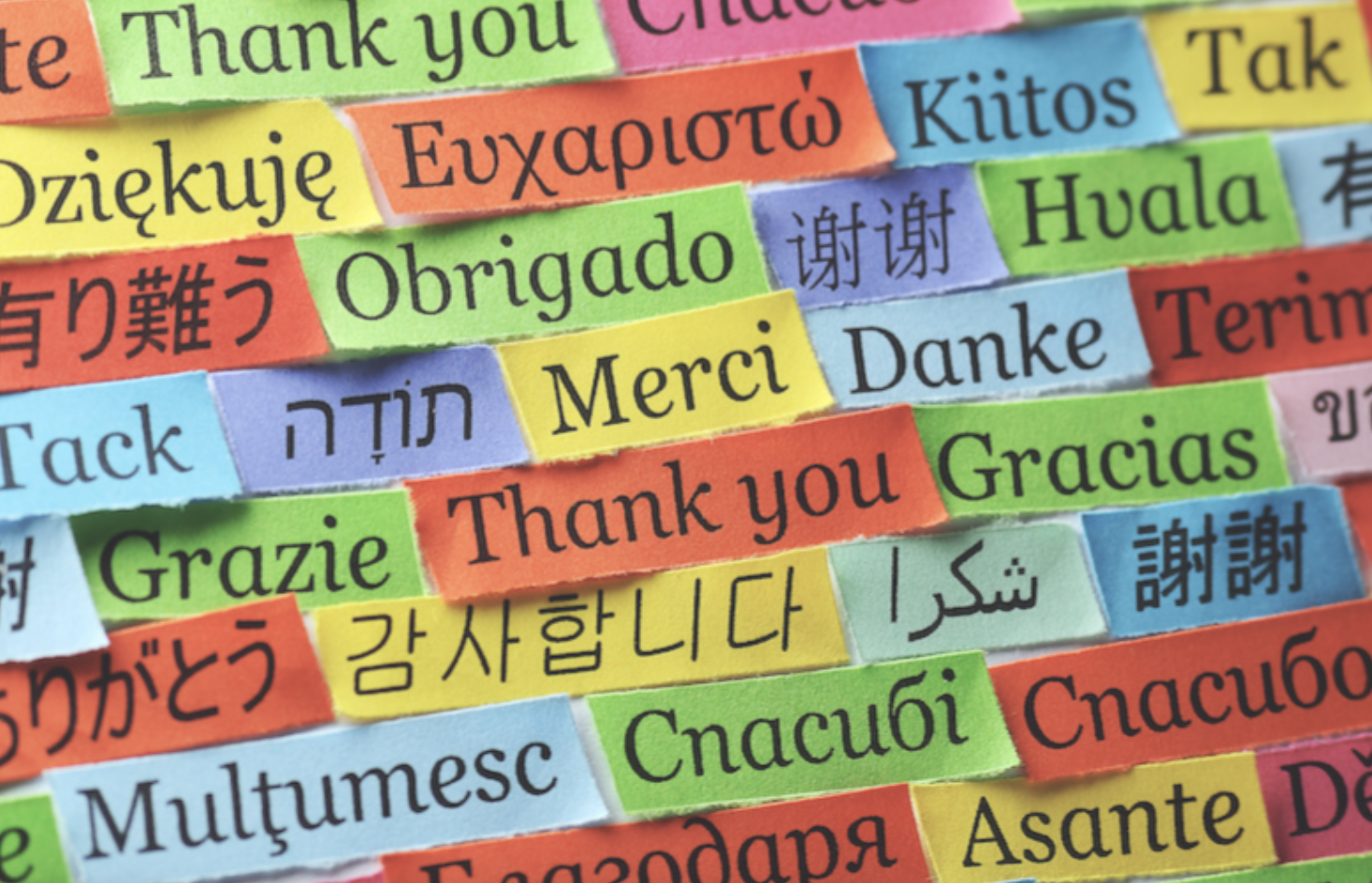
Finally, shout out to Keslande for ending our Pathfinding Series with a (hard to come upon) positive note. In “An A.I. Translation Tool Can Help Save Dying Languages. But at What Cost?”, Madhuri Karak explores the promise of using AI translation tools (like StoryWeaver) to preserve endangered languages. What I enjoyed about this presentation was the emphasis on language as deeply tied to culture, context, and community knowledge. It was plain to see that AI can indeed expand our access, documentation, and revitalization efforts for underrepresented languages. But also, these systems must depend heavily on data and labor from native speakers, raising concerns about exploitation and ownership.
We have completed our Pathfinding Series with a vast yet significant amount of ground covered, in terms of the impact of AI.
Next up, your final project!
Slides from class
Your to do list
Please take the necessary time to read and reflect on the FINAL PROJECT ASSIGNMENT
Blog #12 due 4/15: An early reflection on your ideas about the final project assignment. Try to imagine (and articulate) an initial plan/direction for each of the assignments. You will attend the workshop next week which assist you in your final plan…
Enjoy a lovely springtime weekend!
Dr. Z
