We have momentum

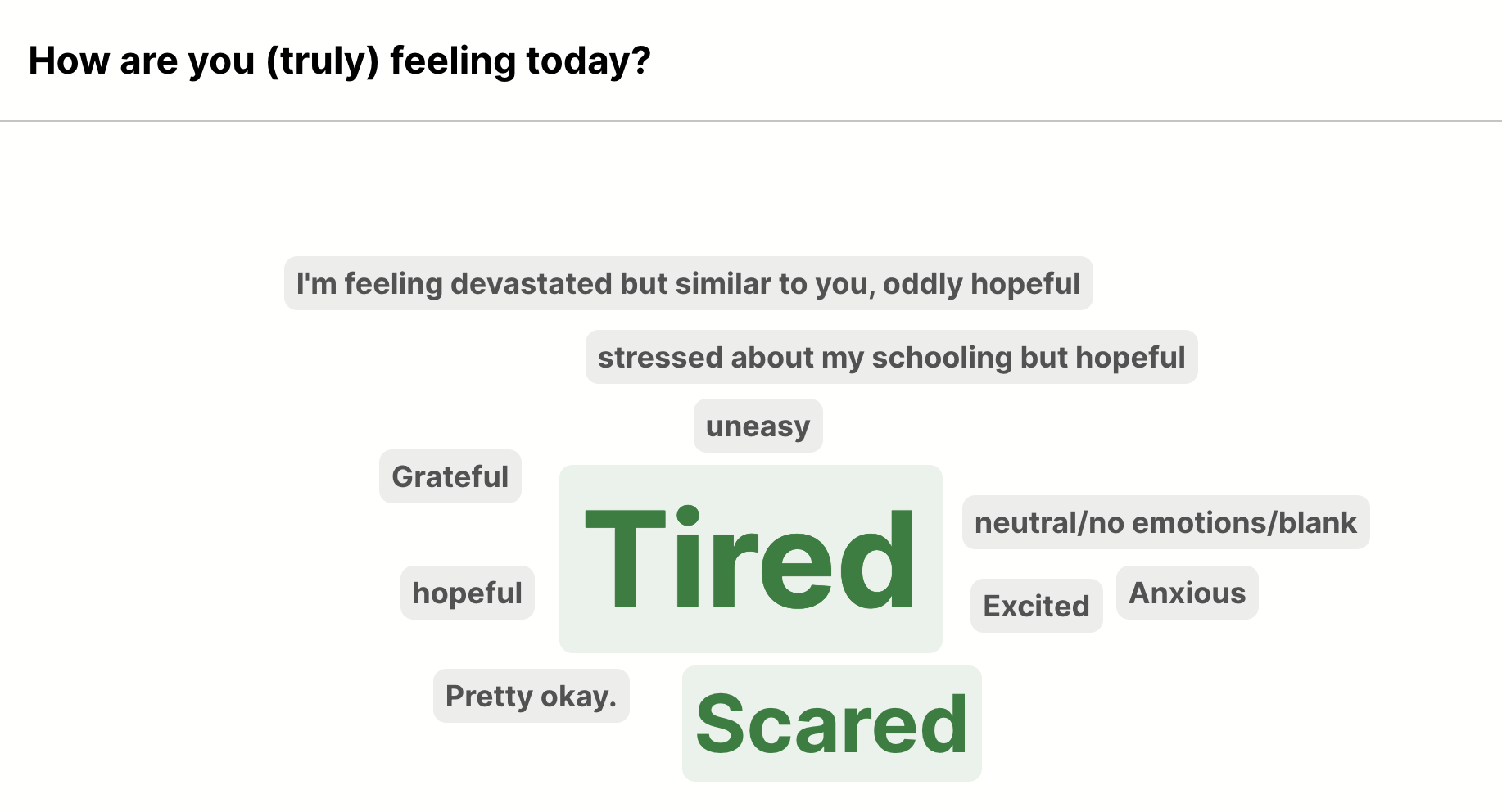
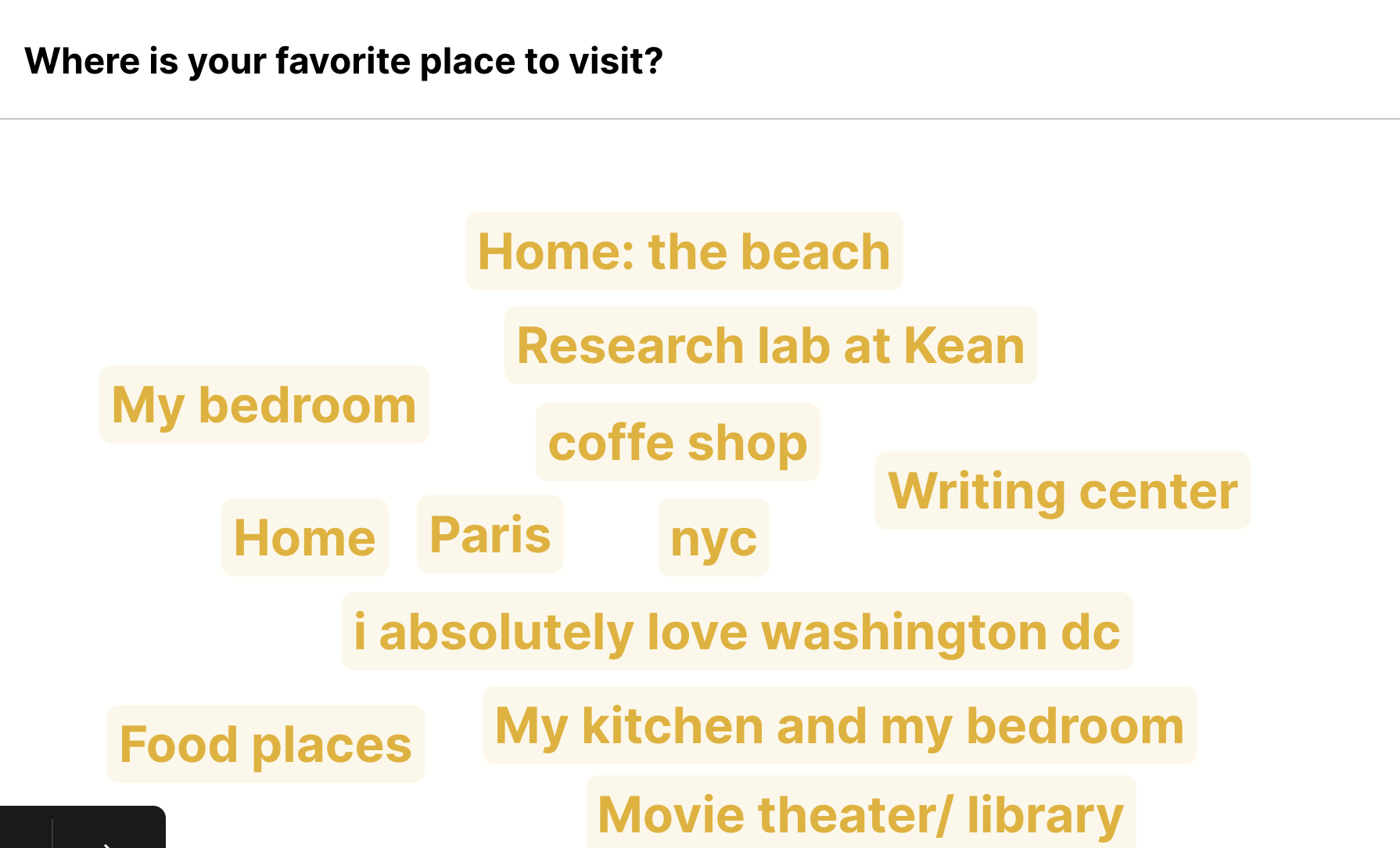
Thanks for another enjoyable class with you this week! In building a sense of connection together, we began by sharing some stories regarding our names, and had a good time exploring a bit more of who we are. Trust is such a key part of the learning experience (something that only builds after some time with each other). I am glad to devote some of our time in getting to know a bit more about everyone in the room. And in thinking further about trust in the age of AI, it was fascinating to turn to your AI of choice in order to generate or consider “personal snapshots” of ourselves. What does AI do with the traces of us that can be scraped from the internet? What did we discover along the way? Everything from the outright fallacies it so confidently shares, to the relational values it builds upon steadily. With each new prompt we feed it more about our inclinations, our interests. It learns more about your values each time you feed it. In turn, it refines it’s own capacity to offer the responses you seek.

Some early thoughts
Our slides for this week

Some thoughts in response to your early blogs

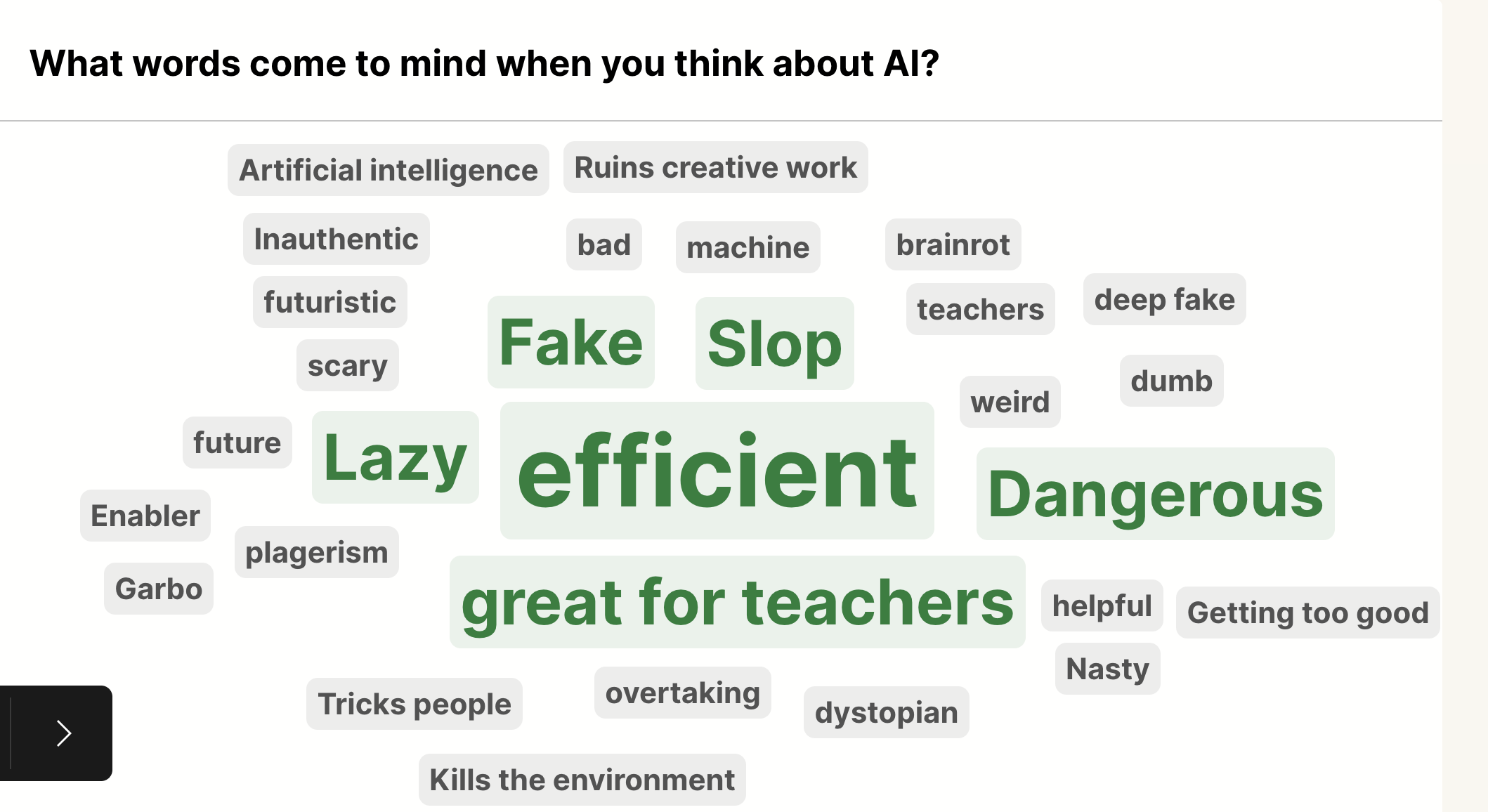
It has been a pleasure to get to know you further by reading your blogs for a couple of weeks now. I am starting to recognize each of your voices. I am pleased to discover that many of you feel that struggle must inherently be part of the writing process, and there is sometimes discomfort in thinking through language …while figuring out what to say. It seems to me that most of you value that tension. Even dreaded writer’s block which is potentially very frustrating, and yet an important aspect of growing in order to think/write on your own. And many of you mourn the loss of trust and authenticity in this world, in the wake of AI tools-for-everyone. We find ourselves in a sea of slop. And it seems like we might just drown in it. I also noticed that creativity and the freedom of imagination is of the highest value to most of you. You hold this idea of “creativity” to a higher standard. All of this gives me hope, as we set out on this investigative journey together.

Your to-do list for next class:

  1. Return to our  Reading Roster, and be prepared to let me know your topic and theme title. You can also share with me any possible reading selection(s) you would like to integrate into the Course Calendar. **For those already scheduled to present between now and the end of February, please have your readings selected and ready to share.
  2. Please read the opening of “Burnout From Humans”. (Dorothy’s Foreword and Aidan Cinnamon Tea’s Introduction, pg. 4-9).
  3. Please read: Hoffman, R. (2023, January 29). Technology makes us more human. The Atlantic. Retrieved January 29, 2023, from https://www.theatlantic.com/ideas/archive/2023/01/chatgpt-ai-technology-techo-humanism-reid-hoffman/672872/  – this pertains to our first presentation by Hunter.
  4. Please read: University of Michigan News. (2026, January 8). When AI learns an author’s voice, even experts prefer it. https://news.umich.edu/when-ai-learns-an-authors-voice-even-experts-prefer-it/ 
  5. Blog 3 due: Please write a reflection/response to the above two brief readings.
On our way…

On our way!

I am really so happy with our in-person (embodied) launch of the Human Nature of Writing “collaboratory”. I feel the shared enthusiasm in the room for the conversation and connections that lay ahead. It seems there are so many open possibilities for our collective exploration of A.I.’s impact on the writing process (and our shared world). I am glad we started the semester off with some thoughtful conversations and also some informal in class writing. You are definitely a diverse and interesting group of humans! I look forward to getting know you more as our time this semester passes together. And I hope my invitation stands to exercise your imagination – within this class, and in your life too, so that we can better connect our individual hopes to collective possibilities (rooted in justice) for all.

Class slides:

Moving forward

The significance of care, and the sense of trust in community, is critical to anyone’s capacity to learn. And so I am glad we are taking the time to connect as we settle into class together. We will continue the process of getting to know each other more each week, before we jump into our weekly content together. And we will also have a special visit from a beloved alumna of the MA in English, Writing Studies program – Maya Ostfeld. As I mentioned in class briefly, the seed of her MA thesis was born in this class (that she took a few years back as an undergraduate). I am looking forward to her sharing some of her insight with all of you.

I am glad we took a look an initial peek at our Reading Roster together (remember this a “live” document that can be expanded by your own contributions). We have also started “to fill out” the Course Calendar together. Next week, we will work together to settle your individual dates for the “pathfinding schedule”. And the week thereafter (by 2/4), I hope you will be able to share a topic (and theme, title, and reading/material) that you intend to cover during your own pathfinding session. **Please work on refining your theme and title and the content for your pathfinding session by 2/4. And for my undergraduate students, if you would like to work with a partner for your presentation, please be sure to connect with them to confer about your class theme and materials/readings. Our calendar should be settled with individual’s presentation dates (by 1/27) and the selected content (by 2/4).

Your to-do list for next class:

  1. If you haven’t already, please set up your blog URL and submit this information by completing this form (if you have not done so already).
  2. Please look at the Reading Roster more closely, and be prepared to let me know what your topic and theme title will be. You can also share with me any possible reading selection(s) you would like to integrate into the Course Calendar.
  3. Watch: A.I. Revolution | Full Documentary | NOVA | PBS 
  4. Read: Nast, Condé, and @wired. “AI Reveals the Most Human Parts of Writing.” WIRED, 2 Dec. 2022, www.wired.com/story/artificial-intelligence-writing-art.
  5. Blog 2 due: Please write a reflection/response to “AI Reveals the Most Human Parts of Writing”. Include an introduction to yourself (if you haven’t done that yet).

Nice to meet you!

 I was so happy to welcome all of you to “the Human Nature of Writing” class on Wednesday evening (1/14) as we took a bit of time together to acclimate to this learning journey. I am excited about getting our class up and running with all of you, and I am feeling energized by initially connecting in our Zoom room. I am truly looking forward to making further connection next week on campus. **Please remember to proceed to CAS room 308 for class time next Wednesday (1/21).

Some check in and warm up with you:

A review of some of the things we have accomplished so far:

  1. We have connected in person and established a sense of the course together.
  2. I have shared a general vision for the class. (See my first post on this website’s home page for some of these initial thoughts).
  3. We have walked through the course website and the syllabus.

Class slides:

What is next?

This coming Wednesday evening, we will do some more connecting and getting to know each other, and I will continue to introduce you to the central ideas and questions of the course.

We will look at our Course Calendar and the Reading Roster together, and we will plan our overall “pathfinder” schedule a bit.

*Please create a free WordPress blog.  Each week, you will be writing a reflective blog post that captures your writing and learning process for the week.  Please send me the URL (web address) for your WordPress blog by filling this form out by next Wednesday, January 21. 

I will feed your individual blog sites into our course website, so you will all be able to access and read everyone’s weekly blog posts on the course website under the tab “Student Blogs”.

Your to-do list for next week:

  1. Please set up your blog address (URL) and submit this information by completing this form.
  2. Listen to this podcast in which I am interviewed about the “Human nature of Writing”.
  3. Select a couple of dates you would like to be a “pathfinder” for the course. We will negotiate the Course Calendar next time we meet.
  4. Please post your first blog post before next Thursday. Your first blog post is your introduction post. Introduce yourself to class (in whatever way you would like to). Let us all know who you are, in whatever manner you feel comfortable.

Looking forward to seeing you all next week,

Dr. Zamora

Welcome to “The Human Nature of Writing” (ENG 4060 & ENG 5085)

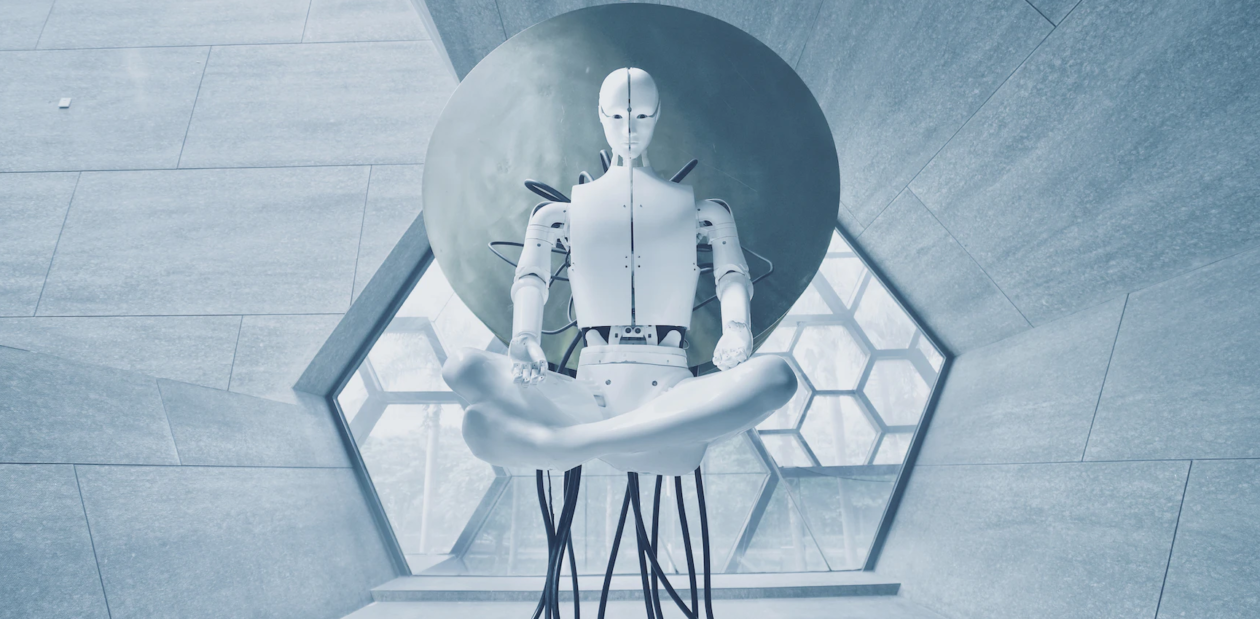
a digital heart made of zeros and ones

Welcome to a new semester! I really look forward to connecting with all of you soon. In many ways, this course has been “brewing” in my mind for a while. It attempts to ask some bold questions about the state of the world, the state of democracy, the state of education.  In short, we will will ask many hard questions together. At the root of our shared inquiry will be the significance of writing. But we will try to connect that to questions about what make us human. I want to think more deeply with all of you about artificial intelligence – questioning its impact on thinking, on learning, and on caring for each other.

What does it mean to write in the age of AI and natural language processing? The algorithms can write faster than we can. A.I. has now mastered structure, form, and syntax, and perhaps style. Still, machine algorithms will never be sentient. While AI can mimic consciousness, it doesn’t truly “feel” or “think,” and the ability to have inner experiences remains a significant gap. Still, you can offer a prompt, and the program will spit out something useful within seconds. The prose will be grammatically correct. Words will be coherent. ChatGPT uses the entirety of the open web as its data set. So where does that leave us human writers?  

For time immemorial, human beings have reached out to the world with words, hoping to connect and communicate, hoping to import both information and meaning to those on the receiving end of an intended message.  We have tried to convey what we know, what we experience, what we think, what we feel.  Writers hope to protect their authenticity and intention, and their unique human voice.  But in a world where the machine can do some things more effectively and efficiently, how do we now reckon with the art and science of writing?  What is the impact of artificial intelligence on the world as we know it? How is machine writing a game changing truth?  

If we know that care and community are critical to how we learn, what is the future for learning and education, in a world written (in part) by machines trained on our own human output? In the Human Nature of Writing (HNOW) class, we will take a small journey together as we attempt to apprehend the stakes for writing in the age of AI. 

I look forward to meeting for the first time this week, and getting our co-learning “collaboratory” up-and-running together.

See you soon,

Dr. Zamora

The official class site for Dr. Mia Zamora's Spring 2026 "New Media" course: ENG 4060 & ENG 5085

css.php