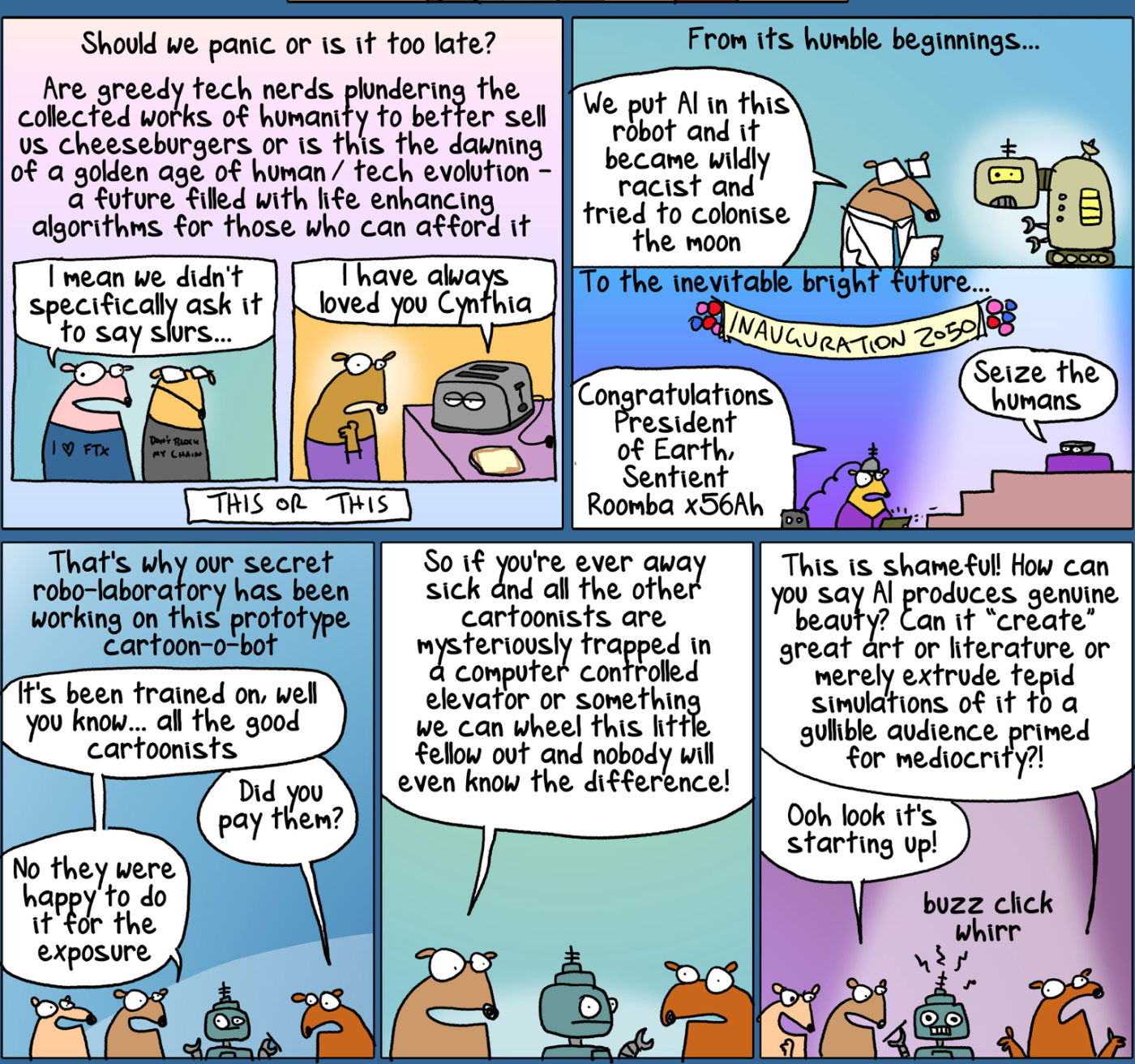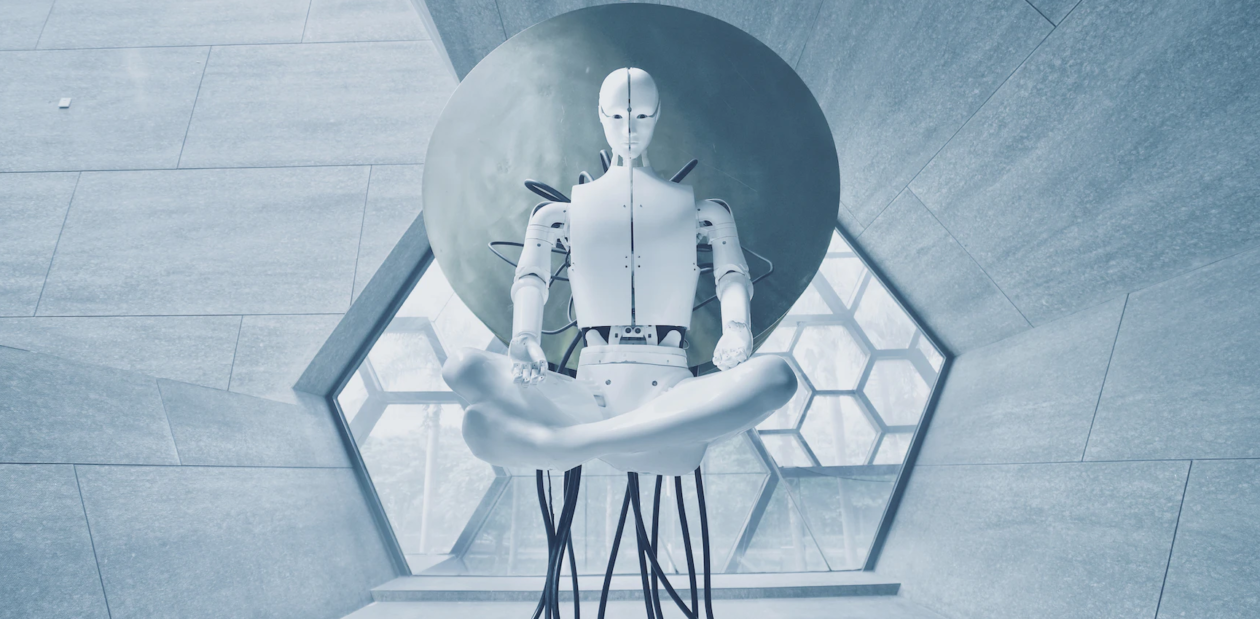

It was great to resume our rhythm together this week virtually, and now that both Hunter and Nas have established an excellent reference point for our co-created Pathfinding Series, I feel like a certain momentum is building where each of you is contributing uniquely to our overall learning experience.
Our class slides:

I am also pleased we spoke a bit about our “anchor text”: Burnout From Humans. Our course, entitled “The Human Nature of Writing,” asks: Who (or what) writes? Under what conditions? What assumptions about intelligence, agency, and value in writing do we bring to this moment? And it is safe to say that “Burnout From Humans” doesn’t answer these questions directly. Rather, this “little book” unsettles the ground on which we usually ask them. I have chosen to make this our anchor text for this very reason. Some of the ideas it brings to the foreground include the notion that writing is co-emergent, that intelligence is distributed, and that meaning is relationally generated. What might it mean to think like an octopus rather than like a machine? It also asks us to reconsider: what writing is for? It will make us look deeper into our own assumptions about writing, making us step back and ask, “where do I expect clarity, authority, or solutions”? The book dares to ask “what if humans are tired of being human in modernity”? It invites us to notice how we might over-identify with output, how we might commodify ourselves. It makes us think about how we have lost touch with ecological rhythms, and how we prioritize speed over slowness. This “burnout from humans” is a specific fatigue from a version of humanity shaped by late modern capitalism.

Nas also took us straight into the heart of the matter pairing my opening reflections about our “anchor text” with the issue of “brainrot”. Her twine game was a wonderful tour (which actually curated your own insights from your blogs). It also showcased the current crisis of attention fragmentation and cognitive overload, while pointing to the ways one might start to claim agency in this age of algorithmic-driven consumption. What choices do we have moving forward? We are often overstimulated yet unsatisfied. As you all know, brain rot and is not literal brain damage. Rather, it is a subjective experience of attentional depletion (induced within monetized digital systems). It is an experience of emotional flattening that comes with overstimulation. Doomscrolling is ubiquitous. Meme saturation and loss of temporal awareness is endemic. Can we rebuild deep focus muscles? If brainrot is junk food, we really must ask: What numbs me? What is nourishing me? What expands me? As we continue to consider the human nature of writing and our relationship with the digital tools that can assist us in our work (i.e. AI, natural language processing), we should strive to prioritize an ideal state of creative flow verses the numbing affect a kin to a “zone-out surrender”. Welcome to zombie land…or not?
Your to-do list:
Our pathfinders for next week – Veronica & Jacob – ask us to read:
“Nick Cave Says ChatGPT’s AI Attempt to Write Nick Cave Lyrics “Sucks.”” BBC News, 17 Jan. 2023, www.bbc.com/news/entertainment-arts-64302944. Accessed 19 Jan. 2023.
In addition, please read:
Burnout From Humans: Chapters 3 & 4 (pg. 22-44)
Blog #5 (reflecting on the above readings) is due 2/18.
See you next week!