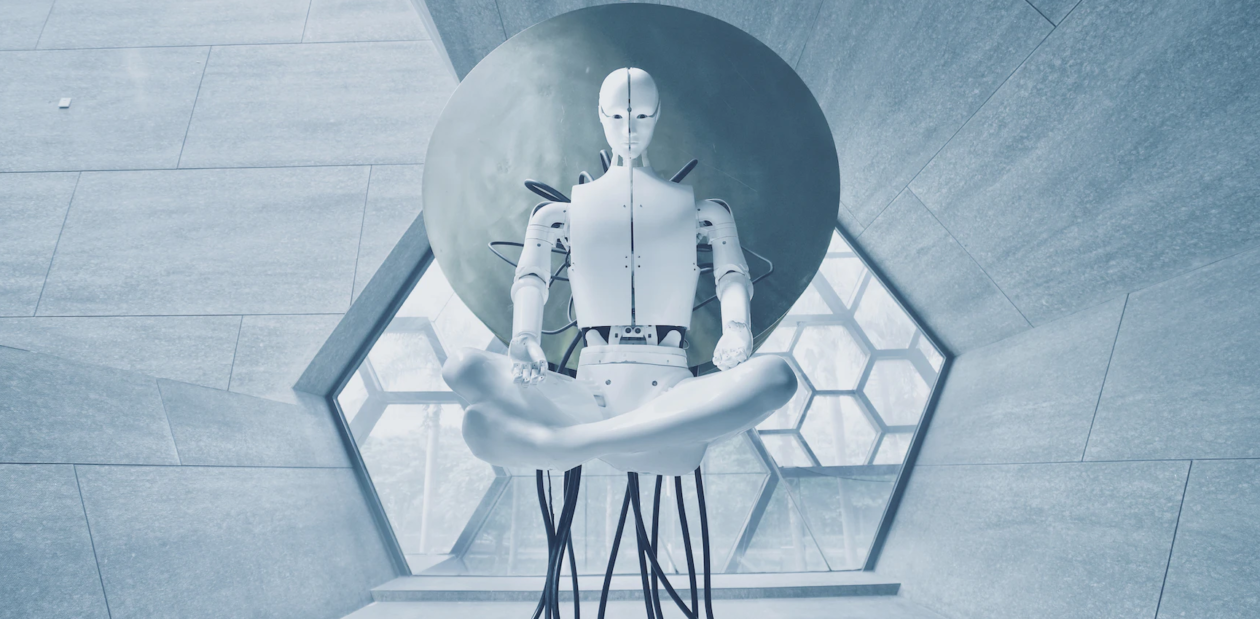
Beginning our discussion with “Voice”

I was smitten with your articulation of what “voice in writing” might be:
“Some of your flavor, mixed with words”
“personality on a page”
“where people can recognize you in a sea of words”
“your authenticity”
“how you get “it” across”
It is such a critical yet elusive aspect of writing, and I think you captured some it so beautifully in class. I also think you considered the question of voice from your own well-earned experience of writing. What is writing, if not thinking in nuanced and refined ways? What is writing, without the communicator’s intention? What is writing without whimsicality and serendipity?
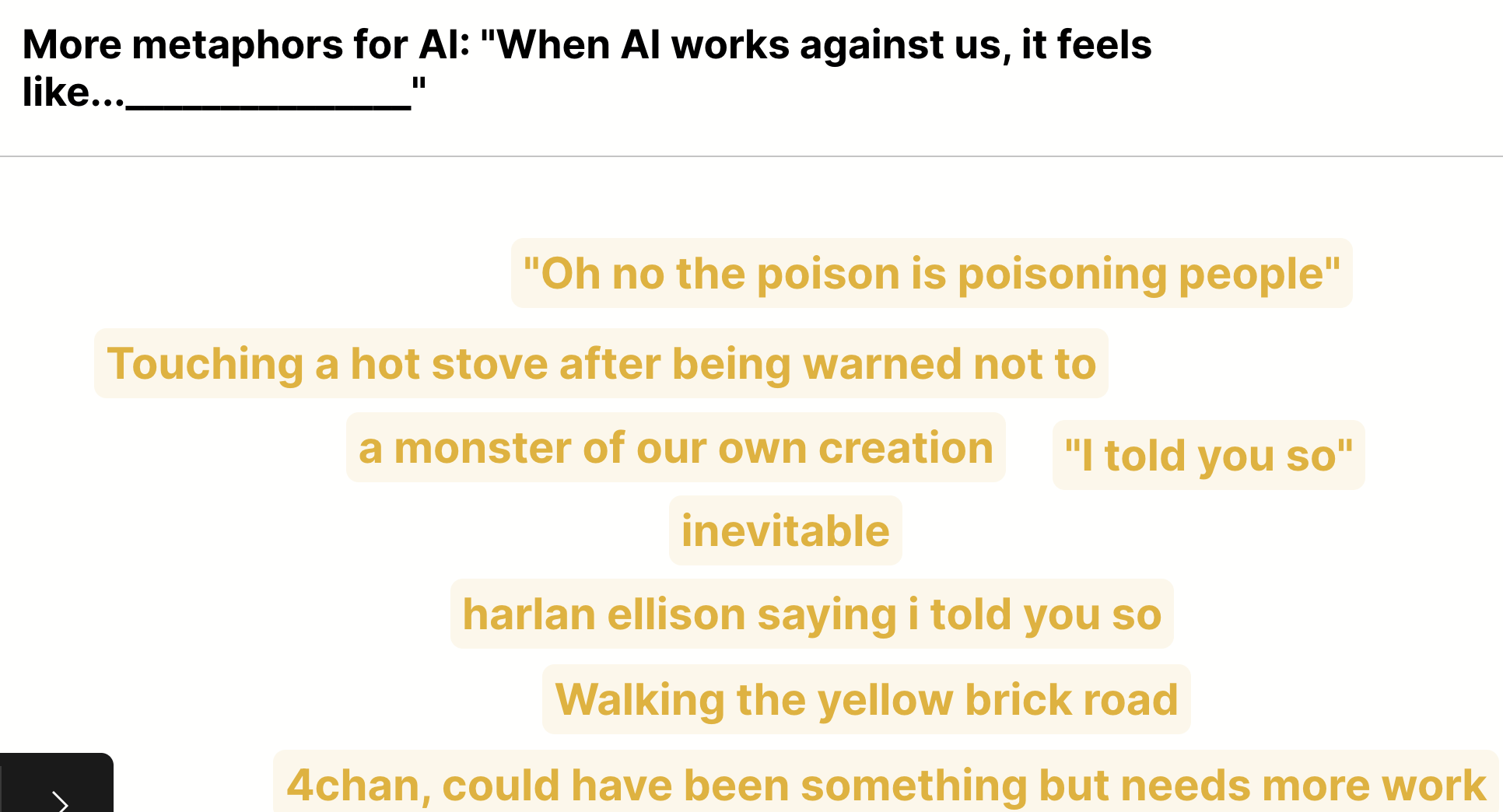
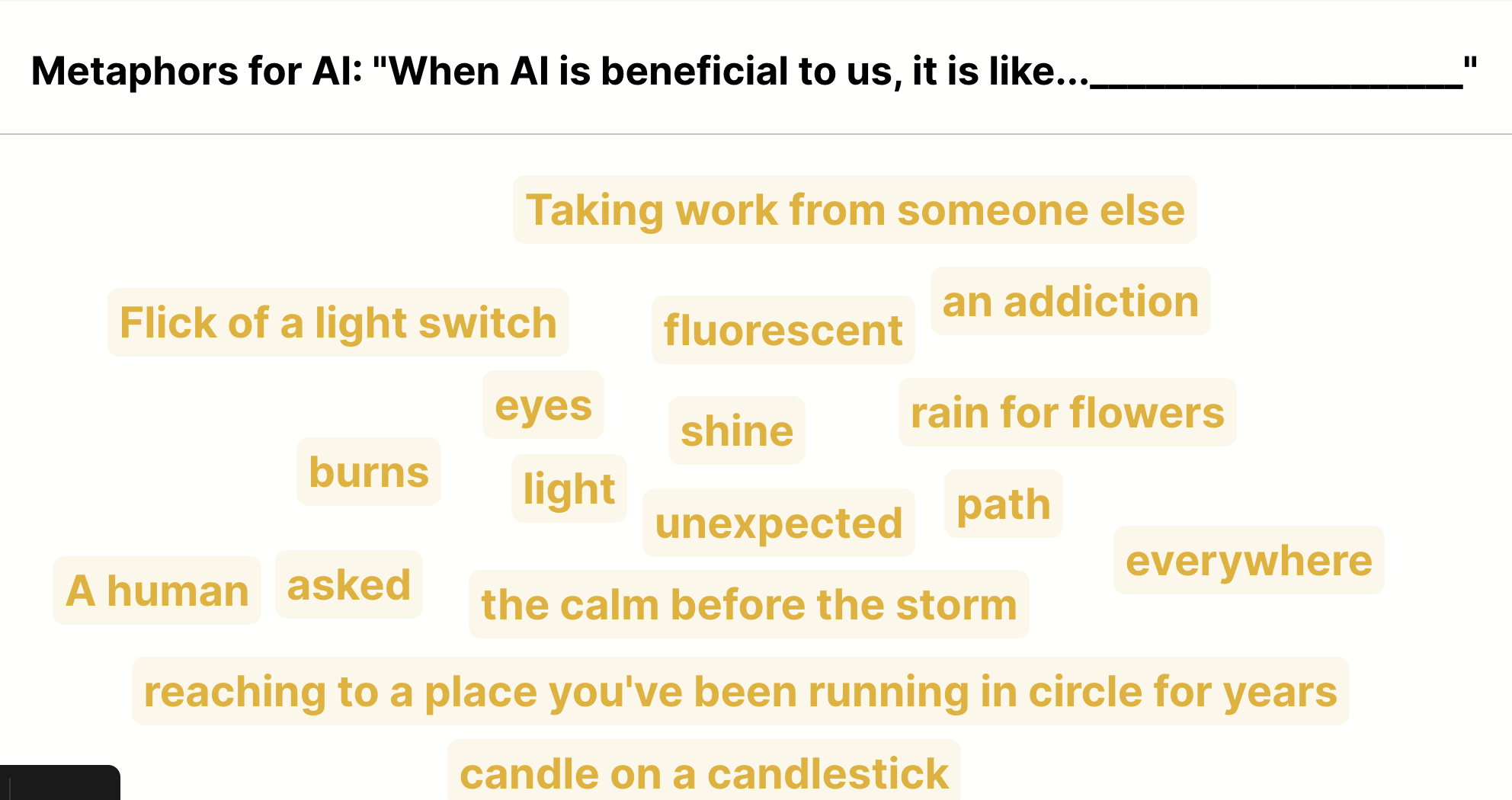
Class Slides
Completing Class Calendar
At this stage you each have confirmed the date for your “pathfinding presentation”. Some of you still need to confirm your contribution (your selection of material to cover in the presentation). Please consider the Reading Roster and determine the theme and content you would like to cover. You can also add readings that are outside our roster (if you feel they will enhance your “pathfinding” direction). For those of you who have not made a selection yet, please look at the comments I have made in the side of the Reading Roster for suggestions. **Please email me the working title and the selected readings that will become the basis for your presentation by next week.
Some guiding questions for us to contemplate together over the course of this semester:
- How does AI disrupt a writer’s intention?
- As writers, how can we use AI to extend our thinking but not replace our thinking?
- What are the ways computational tools and AI might impact our writing?
- Is it important to protect a writer’s authenticity and intention? If so, why? What is at stake?

We have lift off!
Thanks to Hunter, we were able to kick off the pathfinding presentation series with a deeper look into the notion of techno-humanism, and we looked towards the author for some clues (and a healthy measure of criticality). Who is designing this future for all? What drives this design impulse (from a few for the many)? Do the tech bros (like Reid Hoffman) really have everyday people in mind when selling their wares in the name of convenience and progress? These will be central concerns from here on in. This article int eh Atlantic by Reid Hoffman suggests that tools have always extended human capacities (from language and wheels to telescopes and AI). This isn’t new. AI is just the latest, most powerful extension. But claiming AI a tool to empower individuals obscures power imbalance. Who controls the technology, who benefits, and who suffers displacement, surveillance, or exploitation? Hunter did a good job pointing out the lessons of history, and revealing that Hoffman is a billionaire whose wealth and influence come from platform capitalism, a system that has often reduced agency for most people. This has unfolded with the ubiquitous reality of precarious work, algorithmic management, surveillance, and winner-take-all dynamics. I am glad we started the pathfinding conversation by lifting the veil on the design promises, and revealing the truth behind them. It is an important critical acumen to take forward from here.
Your to do list:
We are moving on to the phenomenon of “brain rot”! Readings for next week:
1. From Nas:
Yousef, A. M. F., Alshamy, A., Tlili, A., & Metwally, A. H. S. (2025). Demystifying the New Dilemma of Brain Rot in the Digital Era: A Review. Brain Sciences, 15(3), 283. https://doi.org/10.3390/brainsci15030283

2. Burnout From Humans: Chapters 1 & 2 (pg. 10-21)
Please complete blog #4 due 2/11
**Please remember that we will have a virtual class next Wednesday 2/11. The Zoom link for class will be in your email.
Have a warm weekend!
