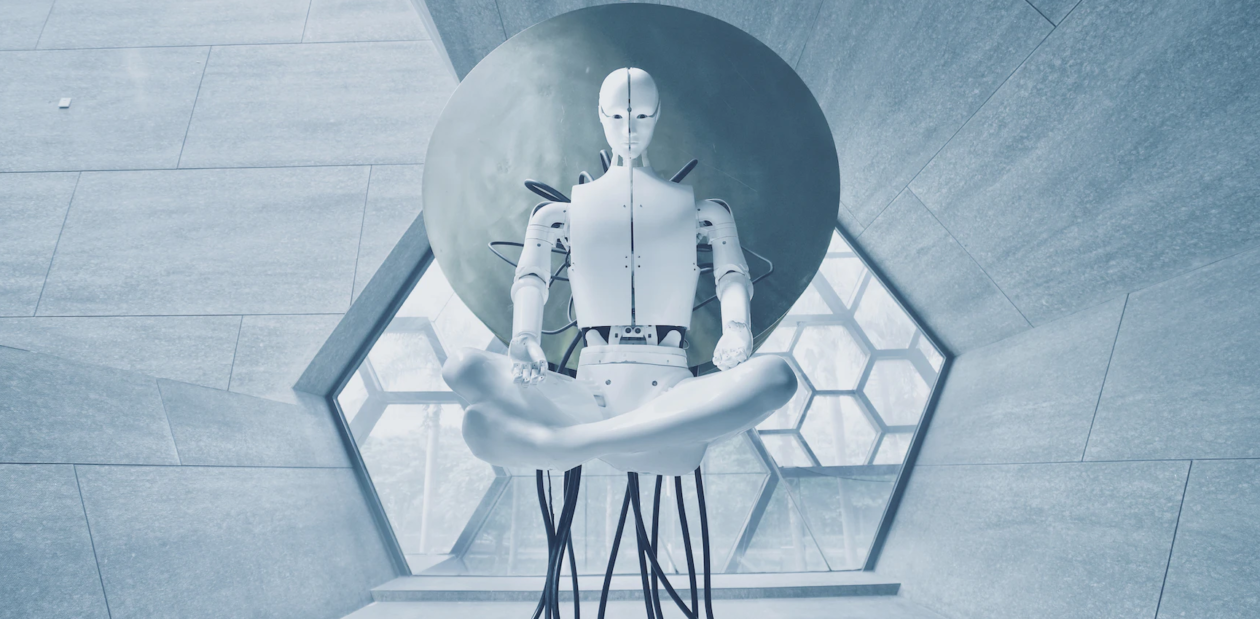
Anytime I read the Burnout chapters, I feel like more and more like a skeptic. I agree with some of the points made, but I feel like it’s the right message, wrong messenger. I agree that it would be beneficial to “ create adaptive systems that regenerate ecosystems rather than deplete them.” However, how ironic is it that I read this sentence from a piece of literature whose use of Ai literally contributes to environmental depletion in numerous ways. It’s hard to take anything we read in the burnout chapters with anything more than a grain of salt because everytime something starts to make sense, and you think “oh that’s a good point” you remember that this is an AI program trying to convince you to collaborate with it to solve the exact problem it’s causing.
Empowering Learners for the Age of Ai was an interesting read. I completely agree with the idea that students should be taught how to navigate AI, how it works etc. In today’s world, AI is everywhere. I understand that it’s impossible to turn a blind eye to it, especially in the classroom, considering it’s already embedded in so many of the tools students use today. I appreciate that the framework highlighted ethics, bias and responsible engagement because if students are going to use it it’s imperative they understand that AI is not neutral and can reflect societal inequalities. However, on the other side of that, I think, shouldn’t students be given the opportunity to think critically without Ai before learning to use it? In a world where Ai fills in gaps and completes ideas, wouldn’t that create a foundational level of dependency? What happened to productive struggle? I think this goes back to the conversation we had about writer’s block. Yes it would be extremely simple to allow Ai to bridge the gap between our ideas and physical words on the screen (or paper), but that takes away the satisfaction we get when we work through the struggle period. Critical thinking, problem solving skills and creativity are all skills that are born within that struggle. What happens when we allow students to skip that step and get straight to the answers they are looking for? How will they ever develop these skills if they aren’t given the space to wrestle with concepts independently? Overall, I’m not against teaching Ai in schools. I think it’s a matter of balancing “how” and “when” in a way that allows students to be educated on modern technology while also not shielding them from the strength that comes from using their own thoughts.
